
The Importance of 100% Grass-Fed Beef Bone Broth
February 25, 2026
Meet Your Farmer: The Story Behind Wisconsin Meadows
April 15, 2026
As more people become interested in where their food comes from, many are discovering the benefits of Wisconsin Meadows 100% grass-fed beef and pastured pork. These farming methods go beyond traditional livestock production by focusing on animal welfare, soil health, and natural systems. The result is a product that is not only more sustainable, but also healthier and more flavorful.
What Does 100% Grass-Fed Beef Mean?
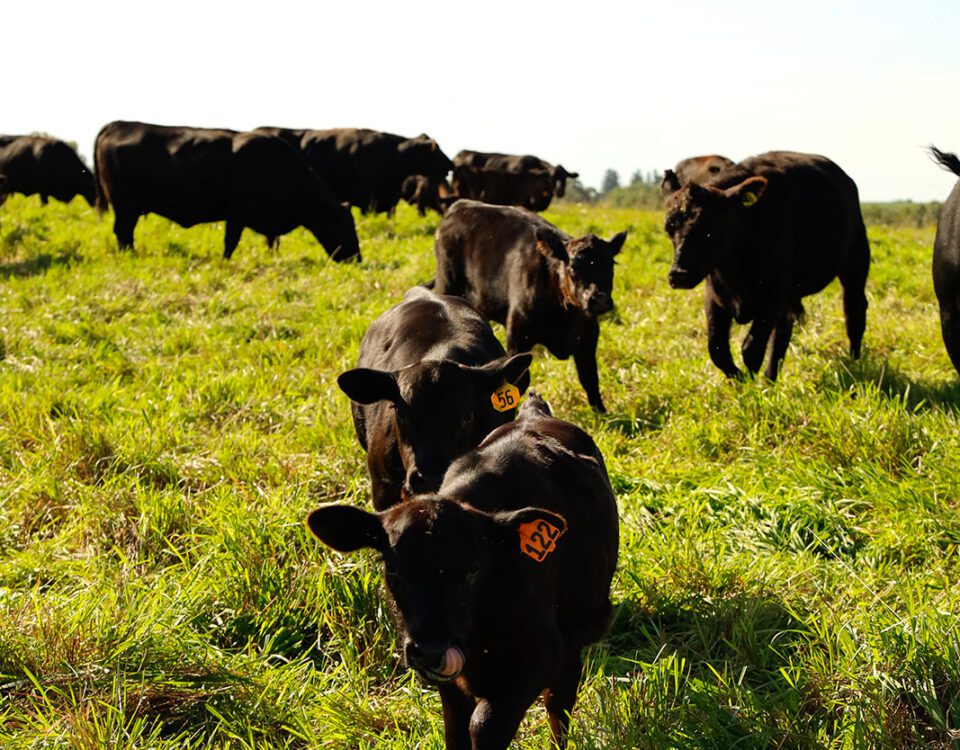
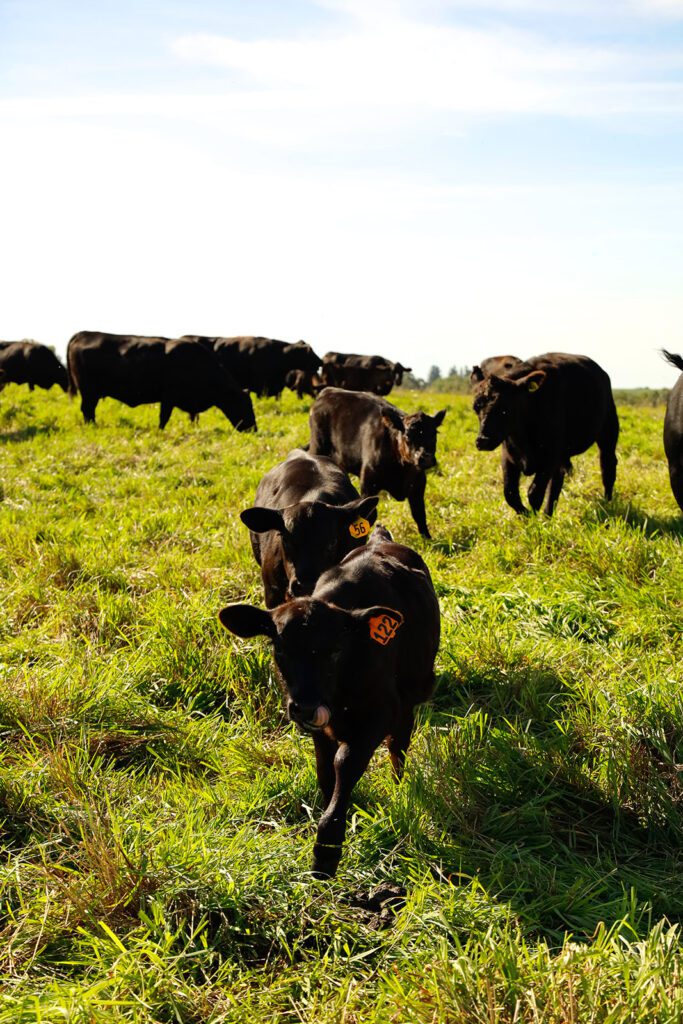
Wisconsin Meadows 100% grass-fed beef comes from cattle that are raised on pasture and forage for their entire lives. Instead of being finished on grain, these animals continue grazing on grasses and natural plants. This diet is what cattle were naturally designed to eat, allowing them to grow in a way that is healthier for both the animal and the land.
When cattle are raised on pasture, they roam freely, graze naturally, and contribute to a healthier ecosystem through their grazing patterns. When pastures are dormant during Wisconsin winters, producers feed stockpiled hay and forages to continue feeding 100% Grass-fed beef all year long.
What Is Pastured Pork?
Wisconsin Meadows Pastured Pork refers to pigs that are raised outdoors where they have room to roam, root, and forage. Unlike pigs raised in confined spaces, pastured pigs can express their natural behaviors while enjoying a varied diet that may include grasses, roots, insects, and supplemental feed.
This natural lifestyle not only improves animal welfare, but it also contributes to better tasting pork with improved texture and flavor.
The Role of Regenerative Farming
Wisconsin Meadows Grass-fed beef and pastured pork are raised using regenerative farming practices. Regenerative agriculture focuses on restoring and improving the health of the soil, which benefits the entire farm ecosystem.
Some of the key principles include:
- Rotational grazing that allows pastures time to recover
- Building healthier soils rich in organic matter
- Supporting biodiversity in plants and wildlife
- Reducing the need for synthetic fertilizers and chemicals
When livestock are managed properly on pasture, they actually help rebuild soil health, improve water retention, and support thriving grasslands.
Health Benefits for Consumers
Meat raised through grass-fed and pasture-based systems often contains nutritional advantages compared to conventional products. Research has shown that grass-fed beef can provide:
- Higher levels of Omega-3 fatty acids
- Increased vitamins such as Vitamin E and B vitamins
- Higher levels of beneficial antioxidants
Pastured pork also tends to have a richer nutrient profile due to the animals’ varied diet and active lifestyle.
Flavor You Can Taste
Beyond nutrition, many people choose Wisconsin 100% grass-fed beef and pastured pork simply because they taste better. Animals raised naturally develop richer flavors and improved texture because of their diet and lifestyle.
Grass-fed beef often has a clean, robust flavor, while pastured pork is known for its rich marbling and depth of taste. Many chefs and home cooks alike appreciate the difference that comes from animals raised on pasture.
Supporting Responsible Farming
Choosing products raised through regenerative methods supports Wisconsin Grass-fed Beef Cooperative farmers who are committed to caring for their animals, their land, and their communities. These farms prioritize sustainability and long-term stewardship rather than short-term production.
When you purchase grass-fed beef and pastured pork, you are supporting:
- Healthier animals
- Improved soil and environmental health
- Local farms and food systems
- Higher-quality food for your family
A Better Way to Produce Food
At its core, raising Wisconsin Meadow 100% grass-fed beef and pastured pork is about working with nature instead of against it. By allowing animals to graze and forage as they were meant to, farmers can produce food that is better for the land, better for the animals, and better for the people who enjoy it.
The result is simple: healthier food with exceptional flavor, produced in a way that helps restore the land for future generations.