
May – National Beef Month
May 13, 2026
Braunschweiger: The Classic Spreadable Sausage with a Rich History
June 30, 2026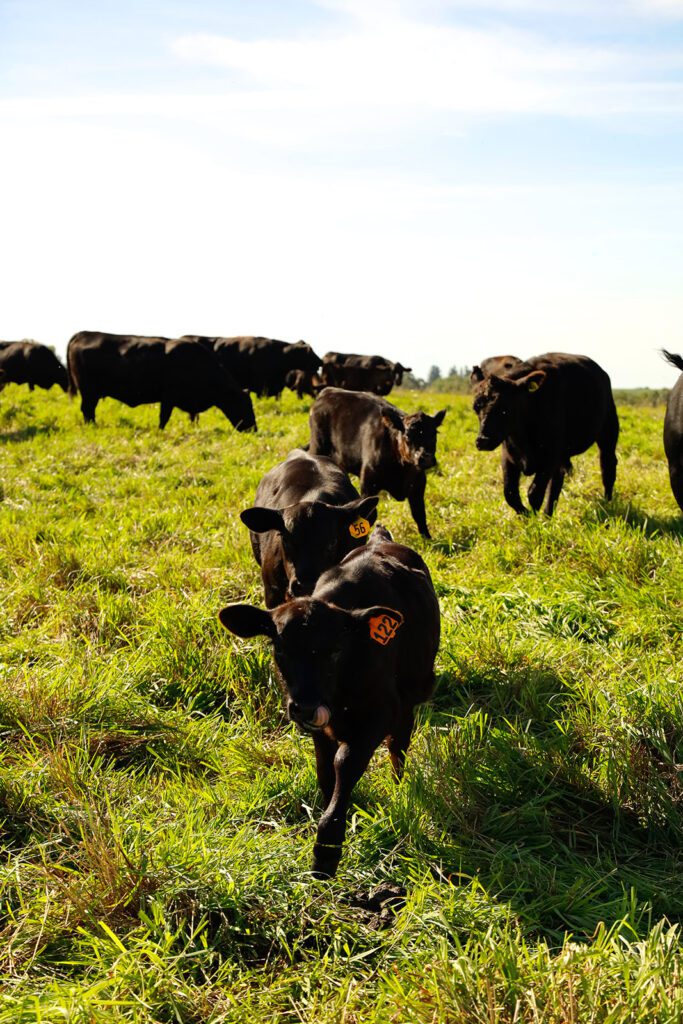
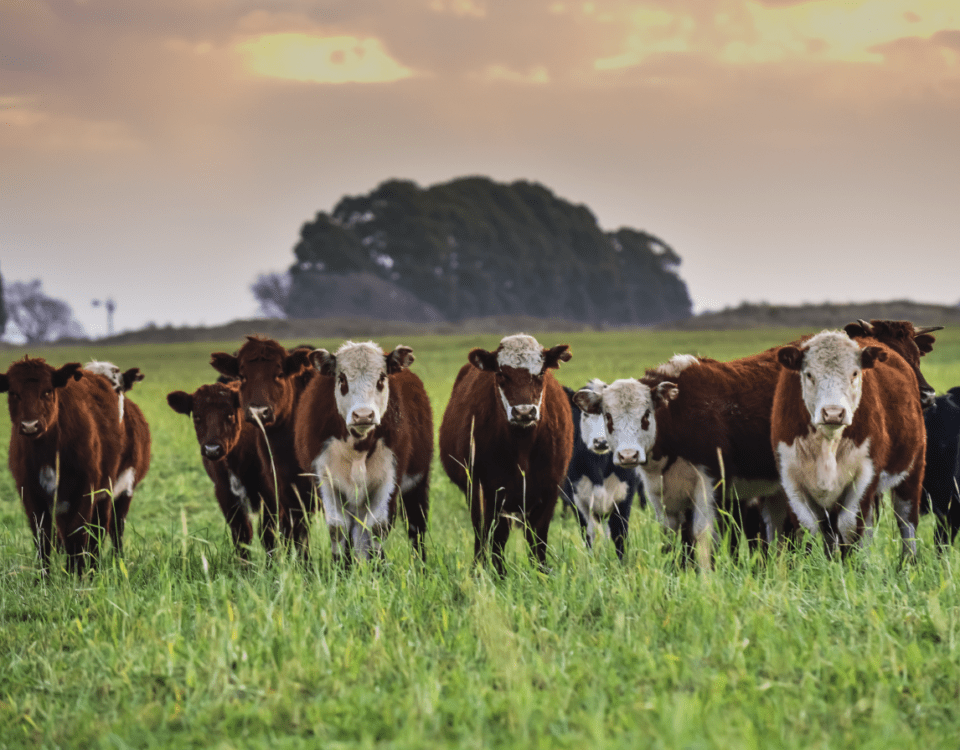
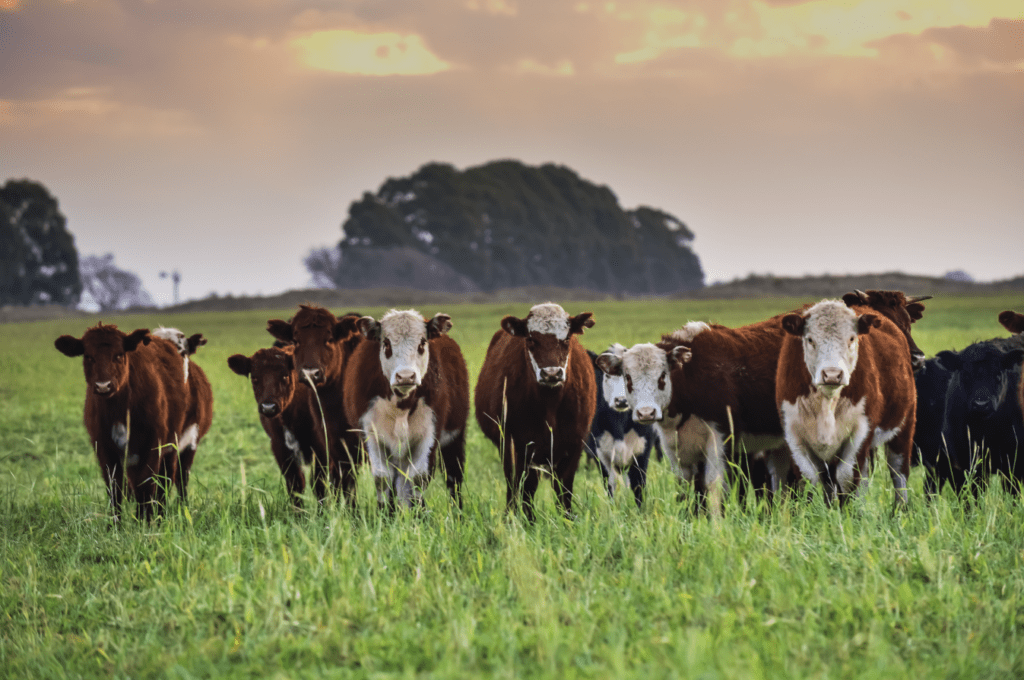
As Wisconsin pastures turn green each spring, it marks one of the most important times of year for 100% grass-fed cattle. Fresh spring grasses provide a natural boost of nutrition that supports healthy animals, healthy soils, and ultimately healthier beef for your family.
At Wisconsin Meadows, we believe great beef starts long before it reaches your plate. It begins in the pasture.
The Power of Spring Grass
After a long Wisconsin winter, spring pastures come alive with lush, nutrient-rich grasses. Cooler temperatures and steady moisture create ideal growing conditions, producing tender forage packed with vitamins, minerals, and energy for grazing cattle.
For 100% grass-fed cattle, these spring grasses are especially important because pasture is their primary source of nutrition year-round. Unlike grain-fed cattle, grass-fed animals rely on diverse forages to meet their nutritional needs naturally.
Spring pasture growth often contains:
- Higher levels of protein
- Increased omega-3 fatty acids
- Essential vitamins like Vitamin A and Vitamin E
- Natural antioxidants
- Highly digestible fiber for rumen health
This nutrient-dense forage helps cattle recover condition after winter while supporting healthy weight gain and overall animal wellness.
Healthy Pastures = Healthy Animals
Rotational grazing during the spring months allows cattle to graze fresh forage while giving pastures time to recover and regrow. This grazing method supports stronger root systems, healthier soil biology, and improved water retention across the land.
Healthy spring pastures also encourage natural cattle behavior. Grazing cattle are able to move freely, select a variety of plants, and consume forage the way nature intended.
When cattle are raised on diverse pastures, it contributes to:
- Improved animal welfare
- Better digestive health
- Reduced stress
- Stronger immune systems
- More consistent meat quality
At Wisconsin Meadows, our farmers carefully manage their grazing systems to ensure cattle always have access to quality forage throughout the growing season.
Why Grass Nutrition Matters to Your Beef
The nutritional quality of pasture directly impacts the quality of grass-fed beef. Research continues to show that properly raised grass-fed beef can contain beneficial nutrients many consumers are looking for, including omega-3 fatty acids and conjugated linoleic acid (CLA).
The diverse forage cattle consume during spring helps develop the rich flavor and quality that customers appreciate in 100% grass-fed beef.
Simply put: better grass helps produce better beef.
Supporting Wisconsin Family Farms
Spring is also an exciting season for local farmers. As pastures green up and cattle head back onto fresh forage, farmers begin another growing season focused on land stewardship and raising quality food responsibly.
Choosing 100% grass-fed beef from Wisconsin Meadows supports Wisconsin family farms that prioritize:
- Responsible grazing practices
- Animal welfare
- Soil health
- Sustainable farming methods
- Local food systems
Every pasture matters — not only for the cattle grazing it, but for the families and communities connected to it.
Taste the Difference of Grass-Fed Beef
The care that begins in the pasture carries all the way to your table. From fresh spring forage to carefully managed grazing systems, every step plays a role in producing high-quality beef you can feel good about feeding your family.
At Wisconsin Meadows, we’re proud to work with local farmers who understand that healthy pastures are the foundation of exceptional 100% grass-fed beef.