
Braunschweiger: The Classic Spreadable Sausage with a Rich History
June 30, 2026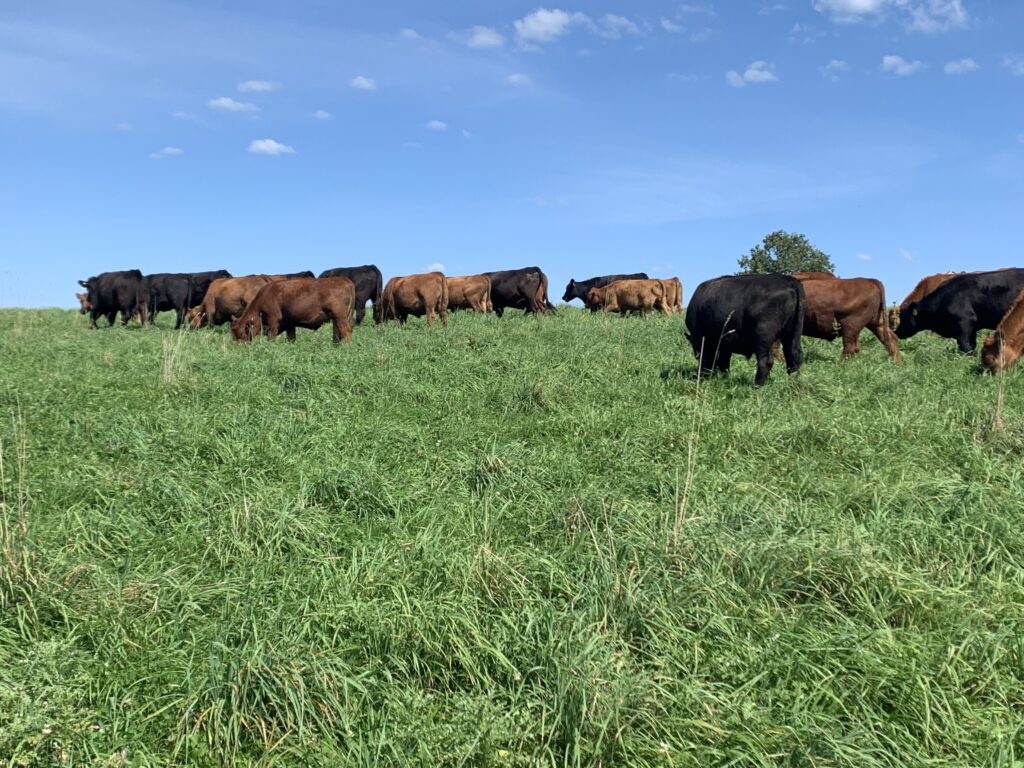
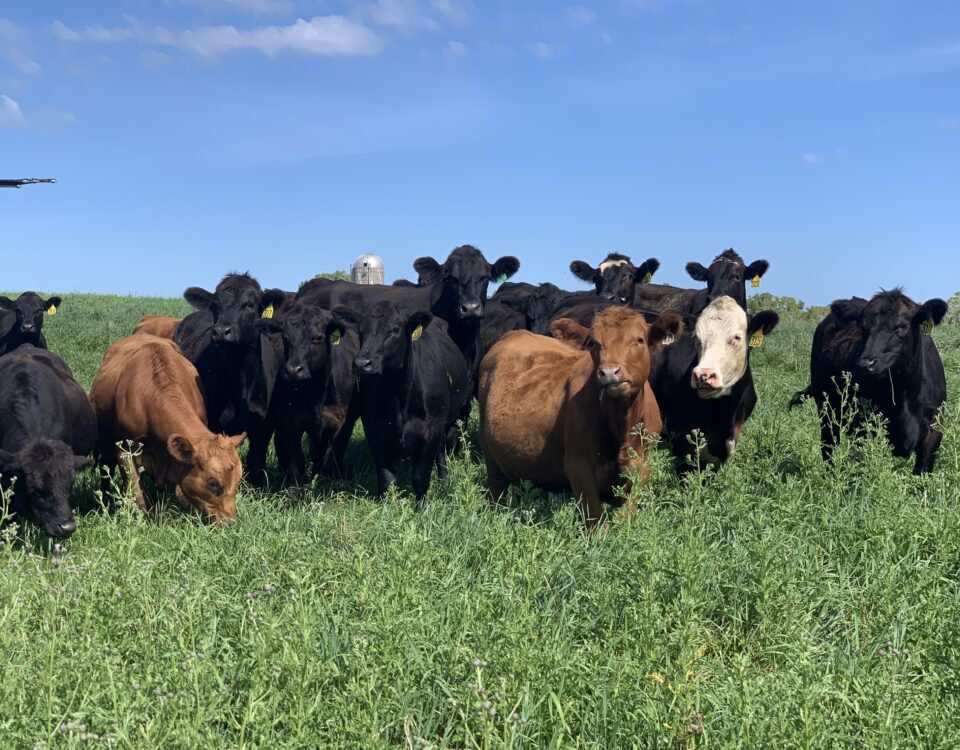
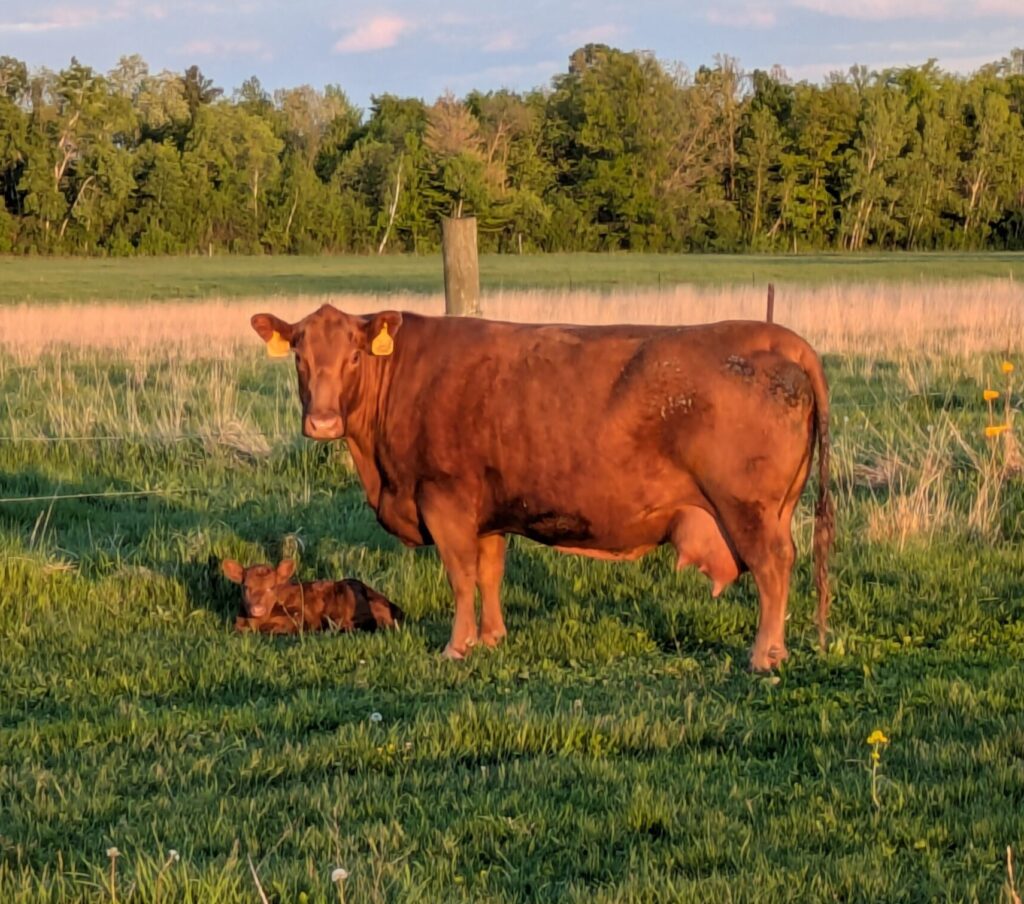
At Wisconsin Meadows, we believe raising beef the right way starts with taking care of the land. Our cattle are raised on Wisconsin family farms and fed a 100% grass-fed diet, connecting the health of our cattle with the health and productivity of our pastures.
Pasture isn’t simply where cattle eat. It is a living ecosystem—and when it is managed thoughtfully, it can become stronger, healthier and more productive for generations to come.
Healthy Pastures Start With Healthy Soil
The foundation of a healthy pasture is healthy soil. Well-managed grazing can help keep soil covered with growing plants, reduce erosion and build organic matter. The plants capture energy from the sun, while cattle grazing and returning nutrients to the soil contribute to a natural cycle that supports pasture growth.
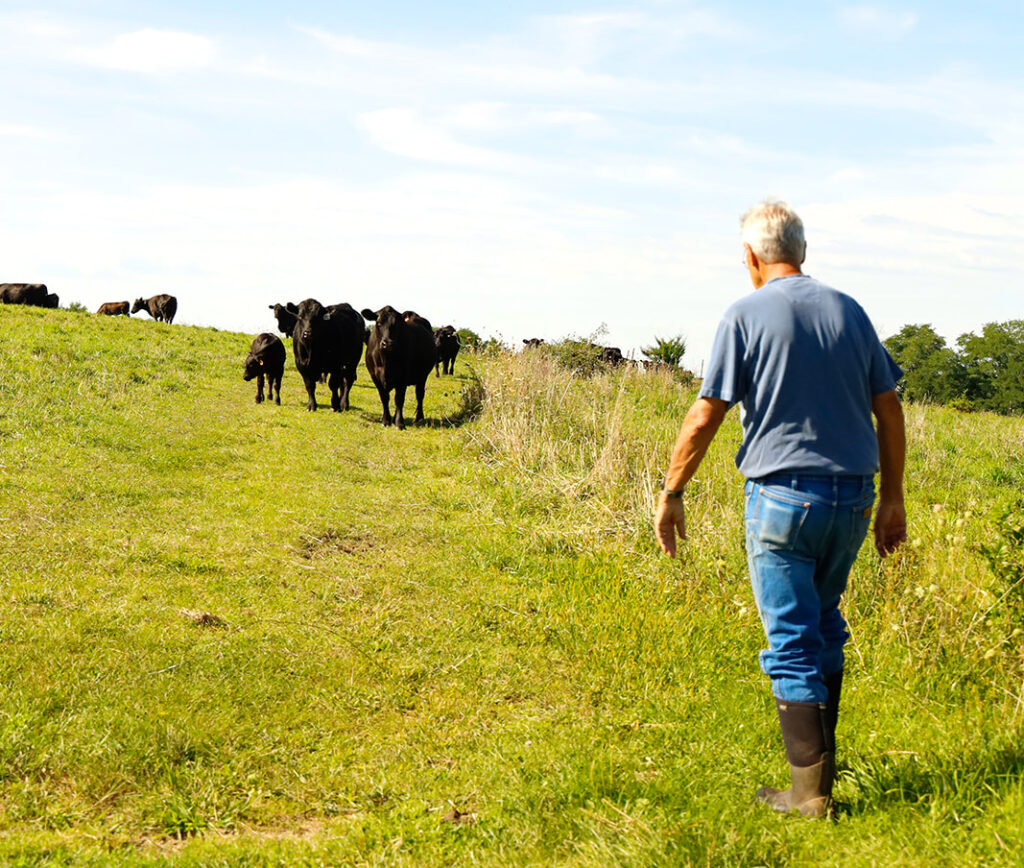
Our farmers work with the land and pay close attention to pasture conditions, weather, forage growth and cattle needs. By managing where and when cattle graze, farmers can give pastures time to recover and plants the opportunity to continue growing.
Grazing With the Land, Not Against It
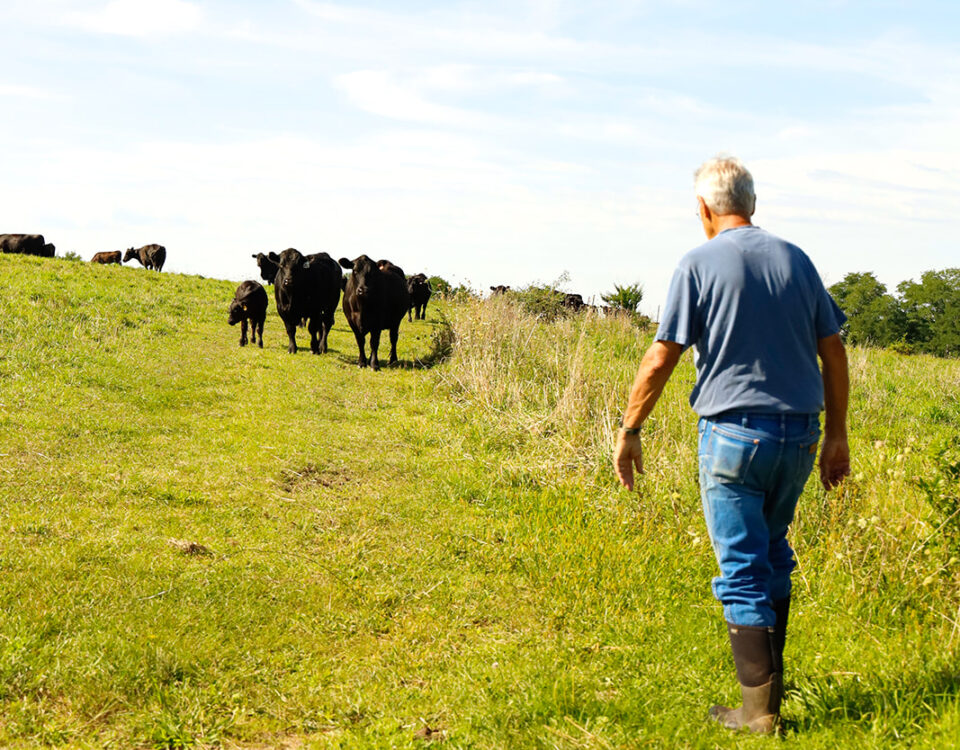
One of the advantages of raising cattle on pasture is the opportunity to manage grazing as part of the farm’s natural system. Instead of allowing cattle to continuously graze the same area, farmers can rotate cattle between pastures.
Rotational grazing gives previously grazed areas time to rest and regrow. It also helps farmers make better use of available forage throughout the growing season.
Every farm is different, and there isn’t one grazing plan that works everywhere. Wisconsin Meadows farmers use their experience, knowledge of their land and changing conditions to determine what works best for their farms.
Keeping the Land Covered
Healthy pastures provide more than feed for cattle. A strong cover of grasses and other forage plants helps protect the soil from wind and water erosion while supporting soil life below the surface.
Keeping living roots in the soil also helps create a healthy environment underground. Those roots interact with soil organisms and contribute organic material as plants grow and naturally cycle nutrients.
For our farmers, maintaining productive pastures isn’t just about this year’s cattle. It’s about keeping the land capable of producing nutritious forage for the cattle that come next year—and for future generations.
A Natural Relationship Between Cattle and Grass
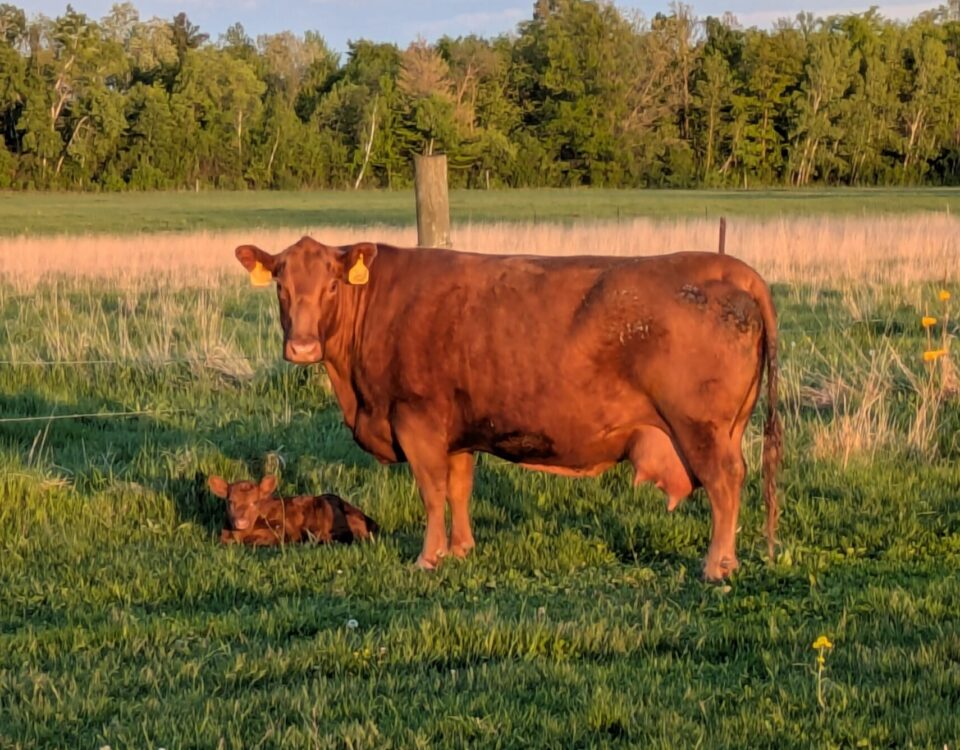
Cattle and grass have a unique relationship. Cattle turn forage that people cannot eat into nutritious beef, while their grazing and manure become part of the nutrient cycle on the farm.
By raising cattle on a 100% grass-fed diet, Wisconsin Meadows farmers keep cattle connected to the pasture throughout their lives. This approach reflects the way cattle are naturally designed to eat and allows farmers to make pasture a central part of their farming system.
Farming for Today—and Tomorrow
Many Wisconsin Meadows farms are family farms where stewardship is something that is passed from one generation to the next. Protecting the land today helps ensure that it remains productive for the farmers and families who will care for it tomorrow.
For us, 100% grass-fed beef is about more than what is in the feed bunk—or what is on your plate. It’s about the soil beneath our feet, the pastures that feed our cattle and the responsibility we have to care for the land.
When you choose Wisconsin Meadows, you’re supporting family farmers who believe good beef begins with good stewardship.
Healthy land. Healthy pastures. Healthy cattle. Beef raised with purpose.